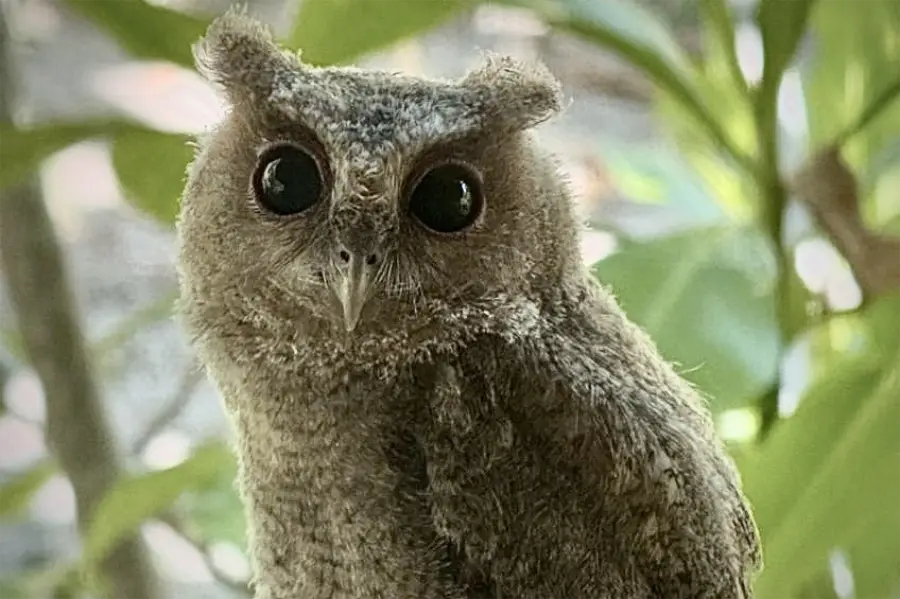
In the high canopy of Koh Jum, life usually follows a strict schedule. But occasionally, nature decides to break its own rules.
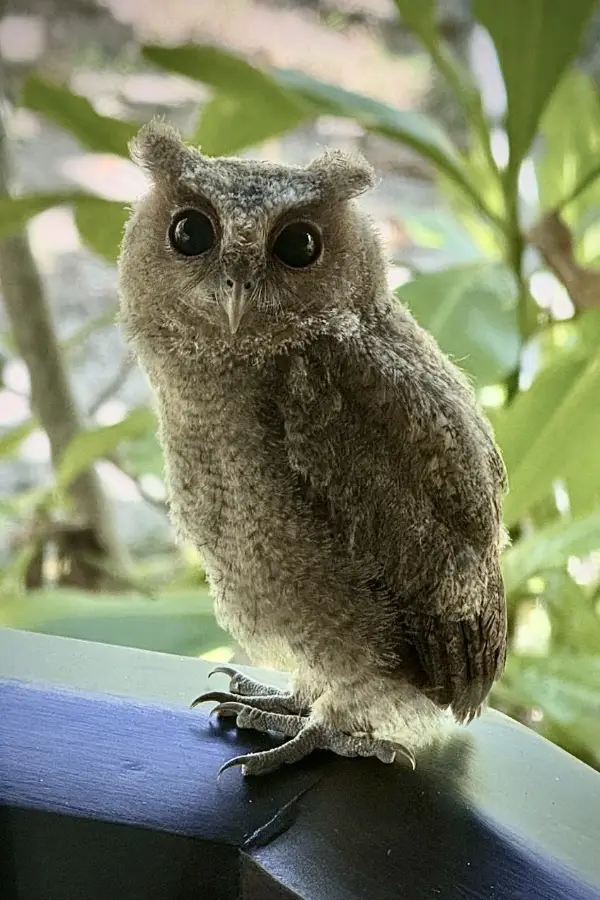
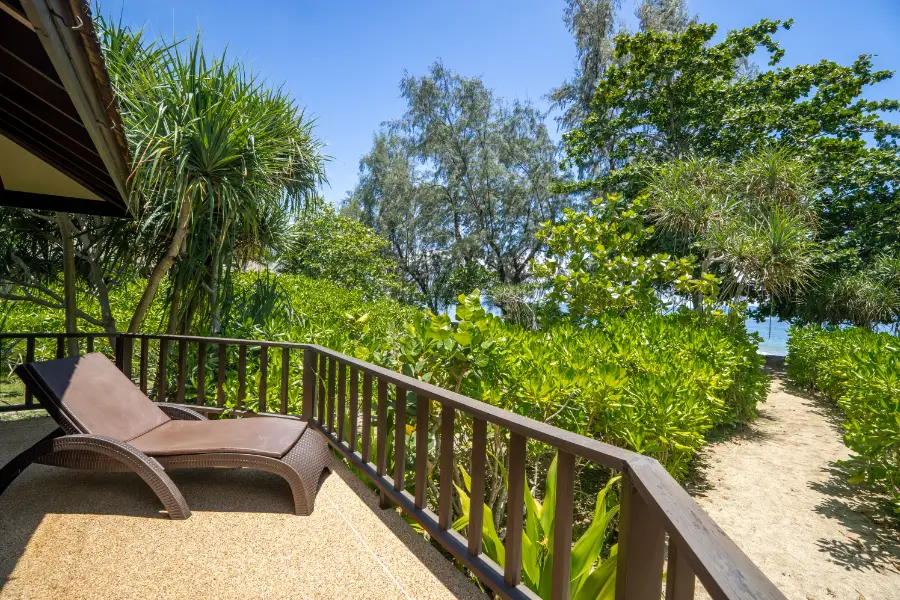
While most associate the Collared Scops Owl (Otus lettia) with the deep velvet of the Andaman night, a fledgling recently chose the soft daylight of a villa balcony for a rest. It sat perfectly still on the timber railing, a masterclass in camouflaged stillness, unfazed by the quiet hum of the resort.
For the observant traveler, these are the moments that define a stay. It is the realization that a luxury environment can, with enough care, remain a viable home for one of the island’s most charismatic residents.
A Resident of the Shadows
The Collared Scops Owl is a small but formidable part of Koh Jum’s biodiversity. To the untrained eye, they are nearly impossible to spot during the day. Their plumage is a complex tapestry of buff, grey, and brown, designed to mimic the bark of the tropical hardwood trees that surround our villas.
Key features of our visitor:
- The “Ears”: Those prominent tufts aren’t actually ears, but feathers (plumicorns) used to break up the owl’s silhouette, making it look like a broken branch to potential predators.
- The Eyes: Deep, dark orange or brown, designed for light-gathering. Seeing them open in the daylight, as we did with our fledgling guest, is a rare privilege.
- The “Necklace”: They get their name from the distinct pale collar that rings the back of their neck.
Why the Daylight Encounter Matters
Seeing a fledgling during the day is more than just a lucky sighting; it’s an education in the island’s lifecycle. At this stage of their development, young owls are exploring their boundaries. They are “branching”, leaving the nest to test their wings, often landing in unexpected places to gather their strength before the next flight.
That this young owl felt secure enough to settle on a villa railing speaks volumes about the sanctuary we strive to maintain. By preserving the “wild edges” of our property and keeping noise pollution to a minimum, we create a buffer zone where these birds can transition from the nest to the forest canopy safely.
The Regenerative Connection
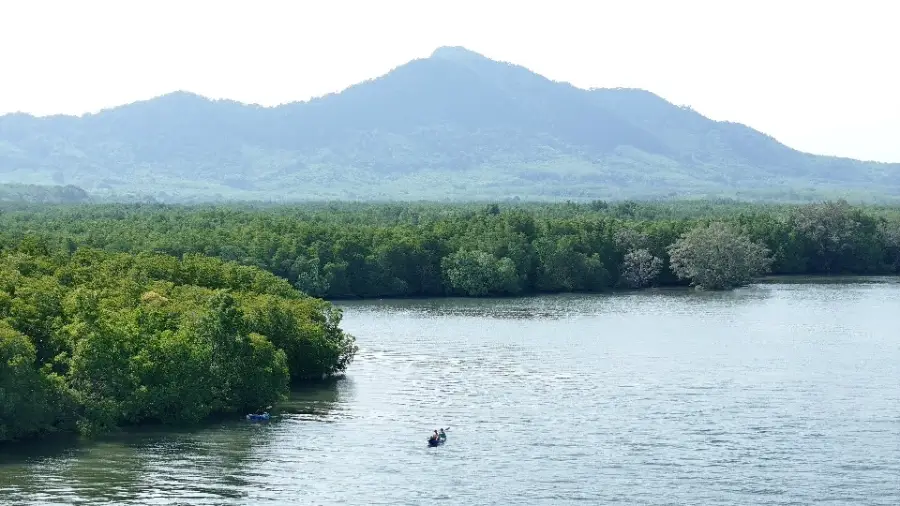
True regenerative travel is about fostering an environment where wildlife doesn’t just survive in spite of us, but thrives alongside us. At Koh Jum Beach Villas, we support this through:
- Zero Pesticide Policy: Ensuring the insects and small lizards that the Scops Owl relies on for food are abundant and toxin-free.
- Habitat Preservation: Maintaining the native trees that provide the hollows these owls need for nesting.
- The Koh Jum Bird Book: We provide guests with a curated guide to the island’s avian life. It serves as an invitation to slow down and look closer, featuring QR codes that link to the unique calls and characteristics of the birds you may encounter during your stay.
To encounter a Scops Owl in the daylight is to be reminded of the delicate balance we are here to protect. It is a quiet, feathered testament to the fact that when we respect the rhythm of the island, the island shares its secrets with us.
Identification Tip
If you hear a soft, rising “cluck-cluck” or a single, melancholic “whoo” echoing from the trees as the sun sets, you could be hearing the Collared Scops Owl. Use the Bird Book found in your villa to compare the calls and see if you can spot the silhouette of our favorite neighbor against the dusk sky.
Discover more about our sustainability efforts and the importance of our continued Travelife Gold Certification here